You are welcome to borrow as much of this as you like and send it the White House here.
February 3, 2011
Dear President Obama,
There are times when we have to ask what side of history we want to be on. Supporting human rights and governing democratically are pillars of the identity we espouse as a country. You can argue that we risk strategic interests and stability as related to Iraq, the Suez Canal, and Israel by siding with democratic change in Egypt. I argue that we risk losing the very character of who we are, any sense of American exceptionalism, if we don’t support our friends who are willing to risk their lives, en masse, for their rights.
Support the principles that we heard about in the State of the Union. To live in a democracy is a privilege and a responsibility. As citizens, we have a duty to support others who are actively struggling for that very same privilege and responsibility.
You are the leader of the free world. Support these Egyptians and people all over the world will love and respect you. If you leave them to die to tyranny, you and we will always regret it. And our country will be weaker for it.
Sincerely,
Ben Orbach
Thursday, February 3, 2011


The Mubarak Moment II: An American Duty

New York -- When I lived in Cairo in 2003, I was in on the ground floor of the protests in Liberation Square at the start of Iraq War. I took pictures, I wrote an oped, and there is a chapter in Live from Jordan about the event. The security forces roughed up some protestors that day, but the whole thing was a sham. Egyptians were upset about the war, but no one cared enough to stop working, to stop eating at McDonalds, or really to alter their lives in any meaningful way.
The opposite is true in Egypt, today. Tunisians showed Egyptians what was possible in 2011, and Egyptians, long the standard-bearer of the Arab World in so many ways, couldn’t bear to live with the shame of the Mubarak regime any longer. Hundreds of thousands of people, if not a couple million people, have taken their lives into their hands to challenge the repressive authority.
At this point in the standoff, it is clear that the regime has made its internal deals and that succession has passed over Mubarak’s son. The military – Egypt’s strongest institution – would have been shamed by the father passing the baton to his son. Egyptians are proud of their history and the turning of their faux-Republic into a Syrian-styled family business would not have been acceptable. This democratic moment preempted that discomfort for the military, and its mission is accomplished. While not securing his son’s throne must surely have been a bitter pill for Mubarak, his redline is undoubtedly a refusal to die in exile as a banished villain, to be sent away like a 21st Century version of King Farouk. The regime has dug in, and the brass has little stake in a continued confrontation.
At the same time, these Egyptian everyday heroes have lived a dream this past week. They’ve come together in the power of numbers, bound by common frustrations and propelled by common hopes. When the protests first began, they never could have hoped to gather this type of lasting attention and to win back such dignity. They’ve been kicked for years and they finally stood up and said no more. Their movement has morphed, though, from making a show of pride to changing the reality of their country and the way their government operates.
Egyptians are on the cusp of changing the very premise of what is possible. That’s intoxicating. It is light and fresh air in a teeming, dark basement. This isn’t regime change from the turret of an American tank; rather it could be a renaissance of Egyptians’ own creation.
But it is a fine line between dreams and nightmares. Together, Egyptian demonstrators are safe. Alone, they will suffer. If the plain-clothes thugs who are beating protestors at this very moment succeed in clearing Liberation Square without a formal political transition in place, then it will all end. There will be no promise of that better tomorrow. Instead, there will be the lurking fear of the knock on the door. Bloggers, Facebook posters, and photographed protestors – they’ll all be vulnerable without the strength of numbers.
Egypt has one of the most notorious prison systems in the Arab World. Many contend that the ideology of al Qaeda was spawned in Egypt’s prisons, where Islamist dissidents were tortured and radicalized further. That style of abuse is what falling short of the dream means.
Yesterday, I co-wrote an oped about this moment as an opportunity for Israelis, about how those who live in a democracy need to support those who are willing to die for democracy. This isn’t just about Israelis, though; it is about us as Americans. There is no question that Egypt is an integral strategic partner to the United States, and foreign policy is based upon interests, not sentimentality. As long as Egyptians were content to go about their everyday lives and not to seek change – as was the case in 2003 – then I didn’t have much of a problem with the practicalities of having to deal with a dictator. But people are dying in the streets to remove that dictator, and journalists are being beaten and arrested to clear the scene of witnesses.
Tomorrow, after Friday prayer, will be a big day. Without the protection of the White House, I don’t think the pro-democracy forces will tip the balance.
There are times when we have to ask what side of history do we want to be on? Supporting human rights and governing democratically are pillars of the identity we espouse as a country. You can argue that we risk strategic interests and stability as related to Iraq, the Suez Canal, and Israel by siding with democratic change in this case. I argue that we risk losing the very character of who we are, any claim to American exceptionalism, if we don’t support our friends who are risking their lives, en masse, for their rights.
To live in a democracy is a privilege and a responsibility. As citizens, we have a duty to support others who are actively struggling for that same privilege and responsibility. Contact the White House, post on Facebook, stop what you are doing for five minutes, and do something to support the citizens of Egypt.
---
If you want to read a short piece about what we should hope to see in Egypt, this is an excellent analysis by Michelle Dunne.
If you want to read a beautifully written piece about the importance of this moment, this is a wonderful article by Anthony Shadid.
Wednesday, February 2, 2011
The Mubarak Moment: An Opportunity for Israelis
It is hard to believe that Israelis are watching the scenes from Cairo with anything but dread. Yet, the Arab Awakening has presented Israelis with an opportunity to secure their place in the Middle East.
Read the rest and comment here.
Read the rest and comment here.
Tuesday, December 21, 2010
Holidays Gifts, 2010
December 21, 2010
New York – Another year and another lump of coal for my family. This year, I continued my practice of giving my family’s holiday gifts to organizations that support Americans building people-to-people partnerships in the Muslim World in areas of human development such as education, health, and rights. In 2011, we’ll launch the America’s Unofficial Ambassadors initiative around this concept of service at Creative Learning, and as part of that initiative, I am writing a book about Americans volunteering and serving throughout the Muslim World. With this holiday season, I decided to donate to a couple of organizations working in Africa that I came across through my research and work:
Sudan Sunrise is an organization founded by Rev. Tom Pritchard of Kansas to build peaceful reconciliation between Muslims, Christians, and Animists in Southern Sudan and to achieve the dream of former NBA baller Manute Bol. My childhood memories of Manute Bol are of a 7’6, rail-thin basketball oddity who chucked the occasional three pointer. Bol was a greater giant off the court then on it; he devoted his life to building peace in his native home of Sudan. The problems of Sudan have received considerable attention over the last several years due to the genocide in Darfur. Before the genocide, though, more than two million Sudanese in the south were killed in civil war, many by Darfurians, actually. Bol dedicated himself to reconciliation between the different faiths of the people of Sudan, and his vision of 41 schools that educate children of all religions (together) is a revolutionary concept in a place that has been torn apart over the last couple of decades. Bol was also instrumental in saving the lives of some of Sudan’s Lost Boys, orphans forced from their homes during that country’s civil war. Manute Bol died this past June at the age of 47.
 There is much to admire about Bol, a professional athlete who became a celebrity but who never forgot the problems of home. There is also much to admire about Tom Pritchard, a soft-spoken pastor from Kansas who has invested all of himself, personally and financially to achieving development and reconciliation in Sudan. A month ago, I met Tom Pritchard, John Zogby, Rudwan Daoud, James Mijak and other courageous leaders from the United States and Sudan who are dedicated to building these 41 schools and creating a new reality in Sudan. Donations to Sudan Sunrise literally translate to desks, books, blackboards, supplies, and a future for Sudan’s children. You can read about Manute Bol here and watch a video about his legacy in Sudan here. One thing – don’t be misled by the moving video from NBA TV. While I hope that NBA stars will line up to support Sudan Sunrise and the construction of these schools, it hasn’t happened yet and this is an initiative that needs your support.
Another excellent initiative that needs your support and that I learned about recently is the Village Bicycle Project. Village Bicycle Project collects used bicycles and ships them to Ghana and Sierra Leone. Since 1999, VBP has sent 50,000 bicycles to Africa and trained 10,000 people to ride them. In Ghana and Sierra Leone, with local partners, they sell the bicycles to motivated individuals, teach bicycle maintenance to create self-sufficiency, and sell tools and spare parts at discounted rates. You might find it surprising that they sell the bicycles, but giving them away for free only devalues their worth in the eyes of the communities and individuals they work with. What I really like most about the project is their emphasis on women and girls. Transportation between villages is a real challenge in many countries and bicycles are a form of mobility and empowerment for women, especially. For people who walk several hours a day, a bicycle can mean the difference in going to school and working at a job.
 I found out about VBP and their work in Sierra Leone through Brittany Richardson, a San Francisco woman who left her job last year to spend seven months as a volunteer teaching young people to ride bicycles in Sierra Leone villages. Brittany had never traveled to Sierra Leone before and did not know the people she would meet and work with. She taught more than 250 girls to ride bicycles, including Kadiatu Brewah, a single mother of five children (her husband passed away four years ago) in her early 30s. Kadiatu (right) now rides her bicycle to and from her farm everyday. Other girls that Brittany taught to ride and care for their bicycles were able to cut their 7-hour commute to school dramatically.
 The Sierra Leone program is relatively new for VBP, and they are collecting bicycles to send a container there in January of 2011. A $25 donation translates to a bicycle and independence for a young woman in Sierra Leone. You can also donate your old bicycle at participating stores across the United States from Boise to Pittsburgh to Kenosha. Take a look at VBP's website, their nationwide list of partners, and donate here. Donate soon though, to support the growth of their Sierra Leone program and the shipment of this next container.
New York – Another year and another lump of coal for my family. This year, I continued my practice of giving my family’s holiday gifts to organizations that support Americans building people-to-people partnerships in the Muslim World in areas of human development such as education, health, and rights. In 2011, we’ll launch the America’s Unofficial Ambassadors initiative around this concept of service at Creative Learning, and as part of that initiative, I am writing a book about Americans volunteering and serving throughout the Muslim World. With this holiday season, I decided to donate to a couple of organizations working in Africa that I came across through my research and work:
Sudan Sunrise is an organization founded by Rev. Tom Pritchard of Kansas to build peaceful reconciliation between Muslims, Christians, and Animists in Southern Sudan and to achieve the dream of former NBA baller Manute Bol. My childhood memories of Manute Bol are of a 7’6, rail-thin basketball oddity who chucked the occasional three pointer. Bol was a greater giant off the court then on it; he devoted his life to building peace in his native home of Sudan. The problems of Sudan have received considerable attention over the last several years due to the genocide in Darfur. Before the genocide, though, more than two million Sudanese in the south were killed in civil war, many by Darfurians, actually. Bol dedicated himself to reconciliation between the different faiths of the people of Sudan, and his vision of 41 schools that educate children of all religions (together) is a revolutionary concept in a place that has been torn apart over the last couple of decades. Bol was also instrumental in saving the lives of some of Sudan’s Lost Boys, orphans forced from their homes during that country’s civil war. Manute Bol died this past June at the age of 47.
There is much to admire about Bol, a professional athlete who became a celebrity but who never forgot the problems of home. There is also much to admire about Tom Pritchard, a soft-spoken pastor from Kansas who has invested all of himself, personally and financially to achieving development and reconciliation in Sudan. A month ago, I met Tom Pritchard, John Zogby, Rudwan Daoud, James Mijak and other courageous leaders from the United States and Sudan who are dedicated to building these 41 schools and creating a new reality in Sudan. Donations to Sudan Sunrise literally translate to desks, books, blackboards, supplies, and a future for Sudan’s children. You can read about Manute Bol here and watch a video about his legacy in Sudan here. One thing – don’t be misled by the moving video from NBA TV. While I hope that NBA stars will line up to support Sudan Sunrise and the construction of these schools, it hasn’t happened yet and this is an initiative that needs your support.Another excellent initiative that needs your support and that I learned about recently is the Village Bicycle Project. Village Bicycle Project collects used bicycles and ships them to Ghana and Sierra Leone. Since 1999, VBP has sent 50,000 bicycles to Africa and trained 10,000 people to ride them. In Ghana and Sierra Leone, with local partners, they sell the bicycles to motivated individuals, teach bicycle maintenance to create self-sufficiency, and sell tools and spare parts at discounted rates. You might find it surprising that they sell the bicycles, but giving them away for free only devalues their worth in the eyes of the communities and individuals they work with. What I really like most about the project is their emphasis on women and girls. Transportation between villages is a real challenge in many countries and bicycles are a form of mobility and empowerment for women, especially. For people who walk several hours a day, a bicycle can mean the difference in going to school and working at a job.
 I found out about VBP and their work in Sierra Leone through Brittany Richardson, a San Francisco woman who left her job last year to spend seven months as a volunteer teaching young people to ride bicycles in Sierra Leone villages. Brittany had never traveled to Sierra Leone before and did not know the people she would meet and work with. She taught more than 250 girls to ride bicycles, including Kadiatu Brewah, a single mother of five children (her husband passed away four years ago) in her early 30s. Kadiatu (right) now rides her bicycle to and from her farm everyday. Other girls that Brittany taught to ride and care for their bicycles were able to cut their 7-hour commute to school dramatically.The Sierra Leone program is relatively new for VBP, and they are collecting bicycles to send a container there in January of 2011. A $25 donation translates to a bicycle and independence for a young woman in Sierra Leone. You can also donate your old bicycle at participating stores across the United States from Boise to Pittsburgh to Kenosha. Take a look at VBP's website, their nationwide list of partners, and donate here. Donate soon though, to support the growth of their Sierra Leone program and the shipment of this next container.
Saturday, November 6, 2010
Do It Yourself Foreign Assistance NYT Magazine Letter
My response to Nicholas Kristof's excellent NYT Magazine piece from two weeks ago, published in this week's Magazine -
Letters: The D.I.Y. Foreign-Aid Revolution
It was a pleasure to read Nicholas D. Kristof’s article on “do it yourself” foreign assistance. The efforts of private American citizens to advance human-development causes at the community level are exceptional stories that are frequently untold.
From the perspective of an organization that supports Americans to volunteer in the Muslim world, I’d like to add two things. First, this kind of service doesn’t just affect day-to-day challenges in education, rights and health. Through the creation of substantive people-to-people partnerships, we can change communities’ impressions of America, as well as our own views of the “other.” Second, you don’t have to be a “full-time hero” to make a difference.
There are opportunities to volunteer on a short-term basis to build a house, teach a class and change a life as one of America’s unofficial ambassadors. The first step is to realize that we can create change, and the next step is to find the right opportunity to do it. Thank you for helping to raise awareness.
BENJAMIN ORBACH
Director, America’s Unofficial Ambassadors
Creative Learning
Letters: The D.I.Y. Foreign-Aid Revolution
It was a pleasure to read Nicholas D. Kristof’s article on “do it yourself” foreign assistance. The efforts of private American citizens to advance human-development causes at the community level are exceptional stories that are frequently untold.
From the perspective of an organization that supports Americans to volunteer in the Muslim world, I’d like to add two things. First, this kind of service doesn’t just affect day-to-day challenges in education, rights and health. Through the creation of substantive people-to-people partnerships, we can change communities’ impressions of America, as well as our own views of the “other.” Second, you don’t have to be a “full-time hero” to make a difference.
There are opportunities to volunteer on a short-term basis to build a house, teach a class and change a life as one of America’s unofficial ambassadors. The first step is to realize that we can create change, and the next step is to find the right opportunity to do it. Thank you for helping to raise awareness.
BENJAMIN ORBACH
Director, America’s Unofficial Ambassadors
Creative Learning
Wednesday, October 6, 2010
Habitat's Unofficial Ambassadors in Tajikistan
A short piece I wrote for Habitat for Humanity's newsletter about the unofficial ambassadors I met in Tajikistan this past July. You can read here on Habitat's newsletter or below...
New York - In July, I spent a week in Tajikistan with Habitat for Humanity. Usually, a week with Habitat means laying brick or hanging drywall. If that week is with a Global Village build, it also means connecting with another culture and helping a family in a foreign land build their life. My experience with Habitat was a little different.
 I direct the America’s Unofficial Ambassadors initiative at Creative Learning, a DC-based not-for-profit, and traveled to Tajikistan as an observer. America’s Unofficial Ambassadors is a new program that will encourage more Americans to volunteer throughout the Muslim World. By building people-to-people partnerships that support local leaders addressing human development challenges, private citizens can help to make a difference, not just on issues such as education and health, but also in the way we perceive each other. The AUA initiative will raise Americans’ awareness to the value of volunteering and then help people access the opportunity that is best for them, whether that is teaching English in a Moroccan village or building a home in Tajik town.
So, I visited Tajikistan to learn about Habitat’s program and see a Global Village “Women Build” team in action. I split my time between Nurek in the south and Khujand in the north. In Nurek, I met villagers who lived at the mercy of mudslides in brittle houses until they received Habitat loans. With Global Village volunteers at their sides, they built homes that are secure from the elements. Protection from the elements is so basic; we take it for granted in the United States. They don’t take it for granted in Nurek, though. Emomali, a smiling eight year-old boy, showed me photos from the build that the GV volunteers sent him. He remembered “Karla” and “Joe” who came from America to help his family.
 In Khujand, I watched six women from the United States, Slovakia, Belgium, and the UAE work alongside an earnest Tajik family. Mussabbe, the mother, is a gynecologist, and her husband is an engineer. In Tajikistan, they are a “low-income family” – Mussabbe makes $50 a month and her husband works in Russia, like many Tajik men, because it is difficult to find work at home. In a week of laying brick and mixing cement, the family and the “Women Build” team raised 75 percent of the house’s external walls. In September, the family will move into their new 5-room house and out of the 2-room house they share with ten family members.
The work of the family and volunteers and the connection they formed with each other were inspiring. After a tearful goodbye with the team on its last night, Mussabbe and her family went to the airport in the morning wee-hours to say thank you and goodbye, one more time. Such is the gratitude felt towards volunteers like Jean, a 62-year-old from Nebraska who traveled half-way around the world to be a part of creating a healthy life for a family whose mother’s ambition is simply for her son “to possess a good profession and not to go to Russia to work.”
My trip to Tajikistan reminded me that a home, whether it is in the United States, Tajikistan, or any other country, is fundamental to feeling secure and aspiring for something more. I’m looking forward to my next trip to Tajikistan, when I return not as an observer but as a Habitat volunteer with other unofficial ambassadors who seek to make a human difference.
New York - In July, I spent a week in Tajikistan with Habitat for Humanity. Usually, a week with Habitat means laying brick or hanging drywall. If that week is with a Global Village build, it also means connecting with another culture and helping a family in a foreign land build their life. My experience with Habitat was a little different.
 I direct the America’s Unofficial Ambassadors initiative at Creative Learning, a DC-based not-for-profit, and traveled to Tajikistan as an observer. America’s Unofficial Ambassadors is a new program that will encourage more Americans to volunteer throughout the Muslim World. By building people-to-people partnerships that support local leaders addressing human development challenges, private citizens can help to make a difference, not just on issues such as education and health, but also in the way we perceive each other. The AUA initiative will raise Americans’ awareness to the value of volunteering and then help people access the opportunity that is best for them, whether that is teaching English in a Moroccan village or building a home in Tajik town.
So, I visited Tajikistan to learn about Habitat’s program and see a Global Village “Women Build” team in action. I split my time between Nurek in the south and Khujand in the north. In Nurek, I met villagers who lived at the mercy of mudslides in brittle houses until they received Habitat loans. With Global Village volunteers at their sides, they built homes that are secure from the elements. Protection from the elements is so basic; we take it for granted in the United States. They don’t take it for granted in Nurek, though. Emomali, a smiling eight year-old boy, showed me photos from the build that the GV volunteers sent him. He remembered “Karla” and “Joe” who came from America to help his family.
 In Khujand, I watched six women from the United States, Slovakia, Belgium, and the UAE work alongside an earnest Tajik family. Mussabbe, the mother, is a gynecologist, and her husband is an engineer. In Tajikistan, they are a “low-income family” – Mussabbe makes $50 a month and her husband works in Russia, like many Tajik men, because it is difficult to find work at home. In a week of laying brick and mixing cement, the family and the “Women Build” team raised 75 percent of the house’s external walls. In September, the family will move into their new 5-room house and out of the 2-room house they share with ten family members.
The work of the family and volunteers and the connection they formed with each other were inspiring. After a tearful goodbye with the team on its last night, Mussabbe and her family went to the airport in the morning wee-hours to say thank you and goodbye, one more time. Such is the gratitude felt towards volunteers like Jean, a 62-year-old from Nebraska who traveled half-way around the world to be a part of creating a healthy life for a family whose mother’s ambition is simply for her son “to possess a good profession and not to go to Russia to work.”
My trip to Tajikistan reminded me that a home, whether it is in the United States, Tajikistan, or any other country, is fundamental to feeling secure and aspiring for something more. I’m looking forward to my next trip to Tajikistan, when I return not as an observer but as a Habitat volunteer with other unofficial ambassadors who seek to make a human difference.
Thursday, December 17, 2009
Thank God for the Conscience of the Nation
Chinatown - The camera zooms in on Hadassah Lieberman’s hands as they sort through the day’s mail. She comes across a bill from FirstCare and tears it open. $243 for ear wax removal for the Senator formerly known as Joe Lieberman’s recent blockage!
No co-pay, no more.
That $243 will be coming out of pocket!
 That’s a scene from the new reality TV show, “Caring for the Conscience of the Nation … and his family.” In discussions on the Senate’s version of the proposed health care bill, the Senator formerly known as Joe Lieberman has asserted, “If the public option is in there, as a matter of conscience, I will not allow the bill to come to a final vote.”
It is only logical that if the Senator formerly known as Joe Lieberman scuttles an agreement in the days ahead and keeps some 30 million Americans from attaining health care, there are three things we have to do as a nation:
(1) Pass legislation that bars the Senator formerly known as Joe Lieberman, his wife Hadassah, his four children, and five grandchildren from carrying any form of health care. This might not seem fair. But it isn’t easy being right when everyone else is wrong. The Senator formerly known as Joe Lieberman is willing to prove it. Besides, while it might get painful when it is time for more grandchildren or a root canal, this arrangement will give the Senator formerly known as Joe Lieberman a better chance to be in touch with his public. See below.
(2) Bestow the official title of “Conscience of the Nation,” upon the Senator formerly known as Joe Lieberman. I propose a nationally televised ceremony where a council of elders led by Bob Dole, Angela Lansbury, John McLaughlin, and Rue McClanahan present the Senator formerly known as Joe Lieberman with a certificate proclaiming his official authority as the “Conscience of the Nation.” No longer will he be called “Senator Joe Lieberman” or even “Shoeless Joe” for his hi-jinks in the Dirksen cafeteria. Instead, on all talk shows, committee hearings, public events, and religious occasions, the Senator formerly known as Joe Lieberman will be referred to as “The Conscience of the Nation.”
For example, at TGI Fridays, the waitress will have to ask, “Does the Conscience of the Nation prefer soup or salad with his Johnny Walker salmon filet?” Or when he is dunking at Madison Square Garden, Marv Albert will have to yell, “YES! The Conscience of the Nation serves up a facial to Nate Robinson.”
(3) Produce a reality TV show called “Caring for the Conscience of the Nation.” A weekly half-hour show which tracks the highlights of Lieberman family’s new health-care less life -- this will blow the Kardashians out of the water! Some potential classic scenes:
· The Conscience of the Nation explaining to his grandson that he can’t ever play sports because of the risk of injury. He then presents his grandson with War and Peace and some $9 reading glasses from CVS and tells him to “grow wise like his grandfather.”
· A minor auto accident sends the Conscience of the Nation to the emergency room with a stiff neck! The Conscience of the Nation is forced to endure a six-hour wait and 20 pages of paperwork that he can’t lean over to fill out.
· H1N1 circulates through our system, so it is time for a chicken soup cooking lesson with Mrs. Conscience of the Nation. Who needs immunizations when you’ve got kreplach?
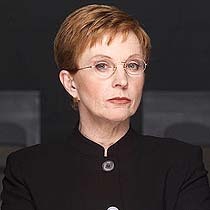
At the end of each episode, Bernice, a snippy, short-haired, glasses-wearing British accountant will review the Conscience of the Nation’s finances. We find out how much the Conscience of the Nation paid in medical costs that week and receive updates on his financial worth as well as projections about what an extended stay in the hospital will do to his grandchildren’s prospects for higher education and/or vacations outside of Connecticut.
Each episode would also include an Andy Rooney styled address from the Conscience of the Nation. This would be a chance for the Conscience of the Nation to share his feelings about current events. I think I speak for us all when I say I’m dying to know the Conscience of the Nation’s thoughts on Tiger Woods. This segment would also be an opportunity for the Conscience of the Nation to enlighten us on the ins and outs of how we should live our daily lives. When riding the subway, when is it okay to stretch across three seats, for example?
For the Conscience of the Nation, this segment would be a grand opportunity to connect with the millions of Americans who need his help and guidance. There are so many of us who just don’t have access to the wisdom and moral superiority that the Conscience of the Nation offers so effortlessly. Of course, they’ll have to vary the time during the show that the Conscience of the Nation offers his monologue. If they are back-loaded a la Andy Rooney, some Americans may tune out before the program is over.
No co-pay, no more.
That $243 will be coming out of pocket!
That’s a scene from the new reality TV show, “Caring for the Conscience of the Nation … and his family.” In discussions on the Senate’s version of the proposed health care bill, the Senator formerly known as Joe Lieberman has asserted, “If the public option is in there, as a matter of conscience, I will not allow the bill to come to a final vote.” It is only logical that if the Senator formerly known as Joe Lieberman scuttles an agreement in the days ahead and keeps some 30 million Americans from attaining health care, there are three things we have to do as a nation:
(1) Pass legislation that bars the Senator formerly known as Joe Lieberman, his wife Hadassah, his four children, and five grandchildren from carrying any form of health care. This might not seem fair. But it isn’t easy being right when everyone else is wrong. The Senator formerly known as Joe Lieberman is willing to prove it. Besides, while it might get painful when it is time for more grandchildren or a root canal, this arrangement will give the Senator formerly known as Joe Lieberman a better chance to be in touch with his public. See below.
(2) Bestow the official title of “Conscience of the Nation,” upon the Senator formerly known as Joe Lieberman. I propose a nationally televised ceremony where a council of elders led by Bob Dole, Angela Lansbury, John McLaughlin, and Rue McClanahan present the Senator formerly known as Joe Lieberman with a certificate proclaiming his official authority as the “Conscience of the Nation.” No longer will he be called “Senator Joe Lieberman” or even “Shoeless Joe” for his hi-jinks in the Dirksen cafeteria. Instead, on all talk shows, committee hearings, public events, and religious occasions, the Senator formerly known as Joe Lieberman will be referred to as “The Conscience of the Nation.”
For example, at TGI Fridays, the waitress will have to ask, “Does the Conscience of the Nation prefer soup or salad with his Johnny Walker salmon filet?” Or when he is dunking at Madison Square Garden, Marv Albert will have to yell, “YES! The Conscience of the Nation serves up a facial to Nate Robinson.”
(3) Produce a reality TV show called “Caring for the Conscience of the Nation.” A weekly half-hour show which tracks the highlights of Lieberman family’s new health-care less life -- this will blow the Kardashians out of the water! Some potential classic scenes:
· The Conscience of the Nation explaining to his grandson that he can’t ever play sports because of the risk of injury. He then presents his grandson with War and Peace and some $9 reading glasses from CVS and tells him to “grow wise like his grandfather.”
· A minor auto accident sends the Conscience of the Nation to the emergency room with a stiff neck! The Conscience of the Nation is forced to endure a six-hour wait and 20 pages of paperwork that he can’t lean over to fill out.
· H1N1 circulates through our system, so it is time for a chicken soup cooking lesson with Mrs. Conscience of the Nation. Who needs immunizations when you’ve got kreplach?
At the end of each episode, Bernice, a snippy, short-haired, glasses-wearing British accountant will review the Conscience of the Nation’s finances. We find out how much the Conscience of the Nation paid in medical costs that week and receive updates on his financial worth as well as projections about what an extended stay in the hospital will do to his grandchildren’s prospects for higher education and/or vacations outside of Connecticut.
Each episode would also include an Andy Rooney styled address from the Conscience of the Nation. This would be a chance for the Conscience of the Nation to share his feelings about current events. I think I speak for us all when I say I’m dying to know the Conscience of the Nation’s thoughts on Tiger Woods. This segment would also be an opportunity for the Conscience of the Nation to enlighten us on the ins and outs of how we should live our daily lives. When riding the subway, when is it okay to stretch across three seats, for example?
For the Conscience of the Nation, this segment would be a grand opportunity to connect with the millions of Americans who need his help and guidance. There are so many of us who just don’t have access to the wisdom and moral superiority that the Conscience of the Nation offers so effortlessly. Of course, they’ll have to vary the time during the show that the Conscience of the Nation offers his monologue. If they are back-loaded a la Andy Rooney, some Americans may tune out before the program is over.
Subscribe to:
Posts (Atom)